No Image

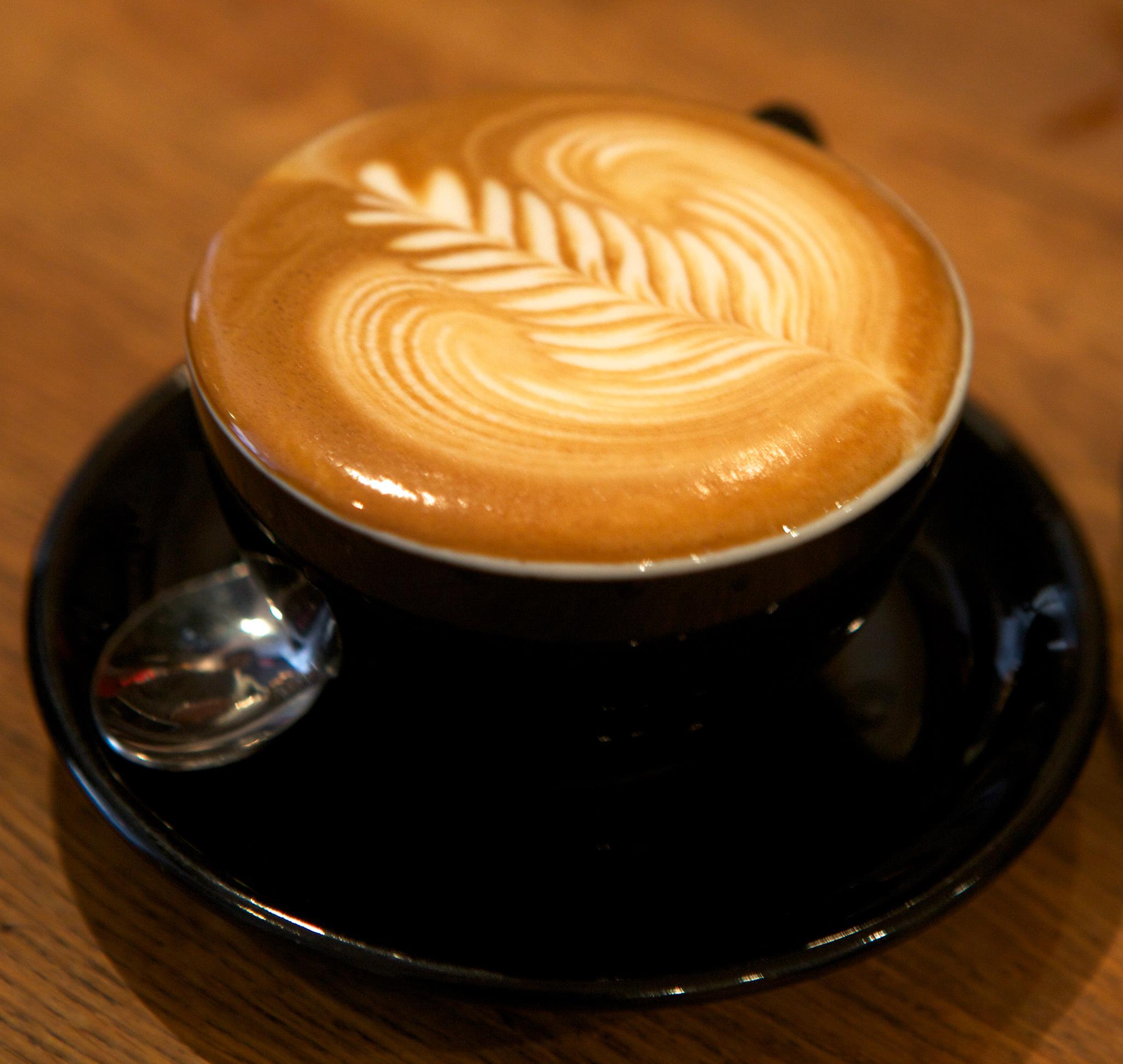
Our 5 Favorite Espressos in London
August 28, 2014 0

2014-08-28-nudecoffee.jpg

It’s no secret that London is having a bit of a moment with coffee. In the last ten years, espresso pop up shops, coffee trolleys, and artisanal pour overs have proliferated across central London and into the furthest reaches of the city — meaning (thankfully) that an excellent cup of coffee is never more than a few streets away. An abundance of choice means a difficulty of decision, though, so we’ve honed down London’s many coffee offerings to just five of our favorite spots. Phew!

1. Nude Espresso

Nude Espresso is the little coffee shop that could. Beginning as a tiny cafe off of legendary Brick Lane, it quickly expanded to include a roastery, a second location on Soho Square, and a legion of dedicated and culturally influential fans. (They now supply upwards of sixty restaurants throughout the central London area.) The quality of the espresso is thanks to both the relentlessly trained baristas and the highly curated, perfectly roasted selection of beans — Nude purchases them in microlots from local farmers around the globe.
2014-08-28-taylorstreet2.jpg

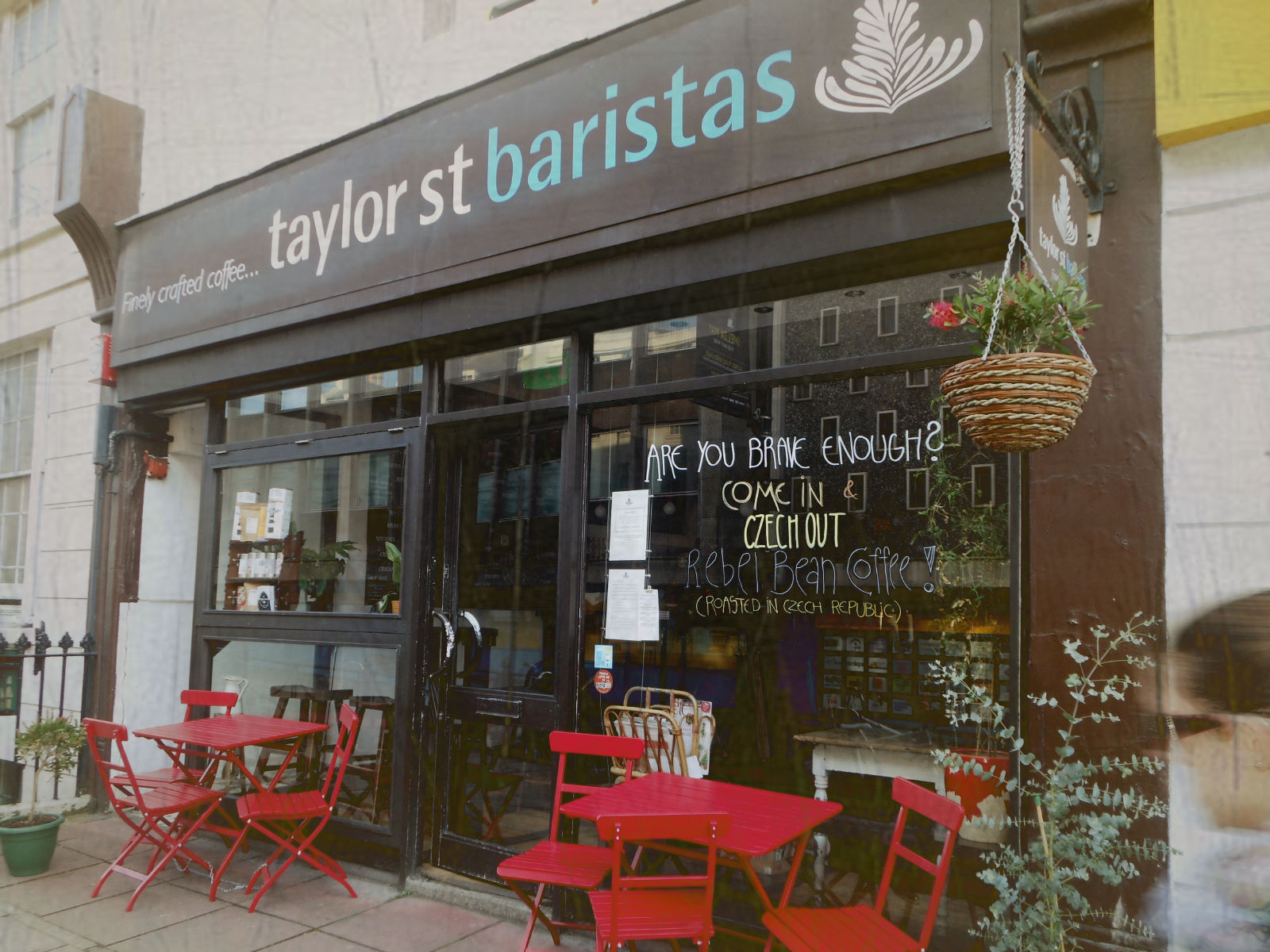
2. Taylor St Baristas

Say what you will about the Aussies, they definitely know how to brew a good cup of coffee. Founded by three Australian-born siblings during “a bleak London winter” in 2006, Taylor St derives it’s charm from a veritable army of highly-trained, relentlessly charming baristas — but the quality that keeps people coming back is all in the bean. Of the nearly 3 billion pounds of coffee produced globally each year, Taylor St selectively chooses only the top 3%. It also has to be said that Taylor St was one of the first coffee shops to signal the new London coffee boom, opening the door for a landslide of hand-poured, artisanally crafted brews. Meanwhile, make sure not to miss their pop up shop in Tower 42. (It’s only around until the end of summer.)
2014-08-28-ScreenShot20140828at11.33.54AM.png

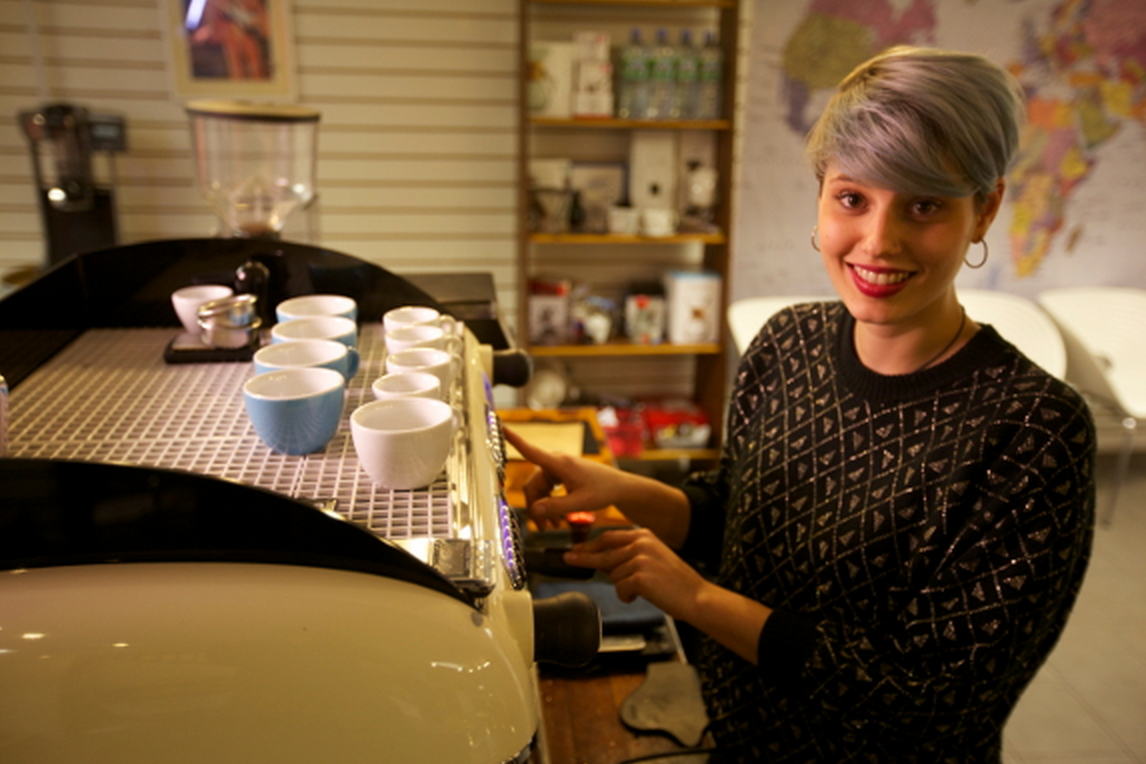
3. Prufrock Cafe

The London coffee scene may be relatively new, but Prufrock is already a legend. Not only do they offer one of the city’s most spectacular cappucino, they also do events, special coffee tastings, barista training sessions, and a full library of coffee-related books to browse through. Prufrock also boasts a serious pedigree — it was founded by the 2009 World Barista Champion Gwilym Davies, and employs a full roster of award-winning brewers from across the globe. Come in for the espresso, but stay for the good people, homey vibes, and no frills menu. Don’t miss their original coffee trolley — it’s still parked in boutique menswear store Present.
2014-08-28-monmouth.jpg

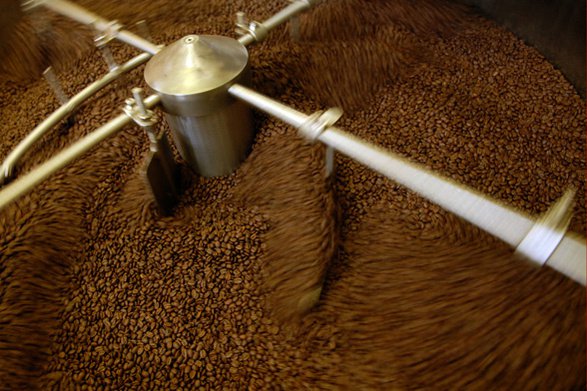
4. Monmouth Coffee

Good luck sourcing yourself a cup of Monmouth on a Saturday at Borough Market. This wildly popular spot is regularly adorned with a line out the door, although the espresso is decidedly worth the wait. For those up to the challenge, the central, communal wooden table is a great place to settle and enjoy the bustling market vibes (or just take in the aroma of freshly ground coffee). Monmouth sources all of its beans from single farms, estates, and cooperatives, meaning that your pour over is bound to have a flavor both complex and totally singular. Yum.

2014-08-28-lookmumnohands.jpg

5. look mum no hands!

Even if the coffee wasn’t top notch, we’d probably still want to pop into this cheekily named coffee shop — run by a crew of bicycle enthusiasts whose good-natured, community-togetherness vibes are clear from the boisterously decorated walls all thew ay down to the warmly smiling baristas. In addition to coffee, they screen films, offer bike workshops, and generally have an all around fun time.

No Image

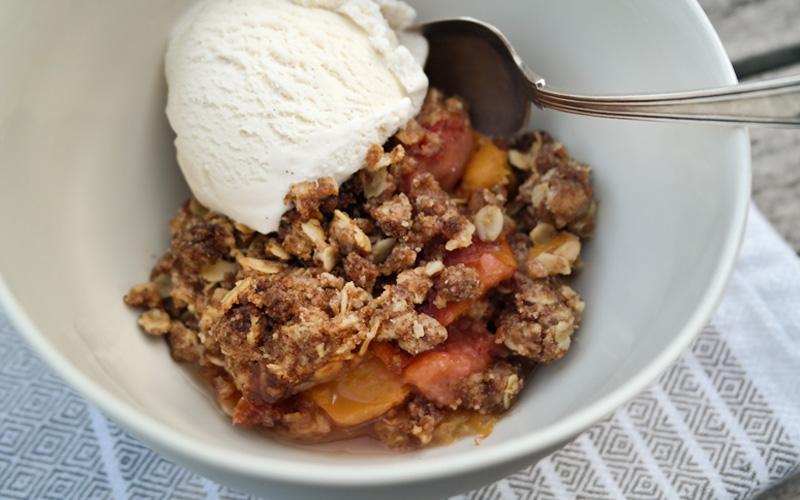
Quick and Yummy Basic Fruit Cobbler, This Time Peach!

August 28, 2014 0

cobbler

Every once in a while I find myself with too much ripe fruit–more than can be eaten before it goes bad. Like the other day… too many peaches! I know that almost seems impossible given my deep love for summer peaches. But maybe that’s why I buy too many when they are truly ripe and then can’t eat them all. Solution? Cobbler.

Many years ago, probably even before this blog was born, I experimented with different cobbler toppings. They were utter failures! All too soggy: The topping would sink into the fruit and become mush. A good cobbler topping has to be crunchy! I remember even cooking the topping separately. (What a whole lot of trouble that was!) So I’m not sure why this topping worked so perfectly and easily… except that it did. It didn’t sink into the fruit, and it tasted totally yum — hot and crunchy (although you have to be careful not to burn your tongue).

I have lots of visions of adding nuts, seeds, ginger, spices and other ingredients on future cobbler toppings, but as with a good pair of jeans or a perfect black dress, one has to get the basics right to put together something great.

So here is the perfect basic cobbler starter:

Quick and Yummy Basic Fruit Cobbler, This Time Peach!

Serves 6

Ingredients:

Bottom Layer

  • About 4 cups fruit–any fruit
  • Lemon

Yummy Crunchy Topping

  • ¾ cup brown sugar
  • 1¼ cups flour (I used white, but I’m sure whole wheat would work, too!)
  • ¾ cup rolled oats (aka oatmeal)
  • 1 stick butter (½ cup), melted
  • A pinch or two of salt

Directions:

1. Preheat oven to 350 to 375 degrees.
2. Clean and cut the fruit (unless it’s berries, which you can leave whole). I left the peach skins on, too, myself.
3. Add the fruit to a casserole dish (you can put it all in one casserole or in individual little dishes if you want to impress your guests at a dinner party or something like that). No need to butter or oil the pan.
4. Toss the fruit with a bit of lemon juice. I used half a lemon, but you can use more (or even add some zest!). The lemon juice keeps the fruit from turning brown.
5. In a separate bowl, mix together the topping ingredients. Mix until all are coated in butter.
6. Sprinkle the topping mixture on top of the fruit mixture. Place in the oven and bake for about 30 to 45 minutes, or until the fruit is bubbling and the topping smells delightful.

Serve à la mode with vanilla ice cream or any flavor you can imagine will taste yummy with your fruits. Add some whipped cream if you’re really feeling fabulous. Enjoy!

DISCLAIMER: Feeding yourself and your children organic foods may cause extreme health, healing, and happiness.

For more from Maria Rodale, visit www.mariasfarmcountrykitchen.com

No Image

World’s Oldest Wine Cellar May Have Stoked Some Pretty Awesome Parties

August 28, 2014 0

Israel isn’t particularly famous for its wine today, but four thousand years ago, during the Bronze Age, vineyards in the region produced vintages that were prized throughout the Mediterranean and imported by the Egyptian elite.

Last summer, archaeologists discovered a rare time capsule of this ancient drinking culture: the world’s oldest known wine cellar, found in the ruins of a sprawling palatial compound in Upper Galilee.

The mud-brick walls of the room seem to have crumbled suddenly, perhaps during an earthquake. Whatever happened, no one came to salvage the 40 wine jars inside after the collapse; luckily for archaeologists, the cellar was left untouched for centuries. [In Images: An Ancient Palace Wine Cellar]

Excavators at the site took samples of the residue inside the jars. In a new study published today (Aug. 27) in the journal PLOS ONE, the researchers describe what their chemical analysis turned up: biomarkers of wine and herbal additives that were mixed into the drink, including mint, cinnamon and juniper.

Wild nights in Tel Kabri

Archaeologists unearthed the wine cellar in a palatial complex at a site called Tel Kabri in present-day northern Israel, near the borders of Syria and Lebanon. As far back as the Stone Age, the area’s springs attracted settlers. During the second millennium B.C., a more centralized Canaanite community of thousands of people popped up around a palace, which likely housed a leader or ruling family who could redistribute wealth and commodities, said Andrew Koh, an archaeologist at Brandeis University, in Waltham, Massachusetts, and one of the excavators on the dig.

The compound was at its peak between 1900 B.C. and 1600 B.C. Artifacts and paintings found at the site suggest this community had contact with Egypt, Mesopotamian cultures to the north and east, and the Minoan civilization that arose in Crete.

In July, Koh and colleagues were excavating an area they thought was outside the palace when they found a 3-foot-tall (1 meter) jar they dubbed “Bessie.” The team eventually turned up 39 more jars inside a room measuring about 16 feet by 26 feet (5 m by 8 m). All together, the vessels would have held around 528 gallons (2,000 liters) of wine, and the cellar was conveniently located next to a banquet hall.

“What we have is quite substantial — 40 jars — but it’s not enough to redistribute to the whole countryside, so we’re arguing that this is the personal or palatial wine cellar,” Koh told Live Science. “It’s for a nuclear kind of in-group, whether it’s the family or clan, and it’s for local, on-the-spot consumption. But it’s still a lot of wine — they must have thrown large parties.” [The Holy Land: 7 Amazing Archaeological Finds]

What’s in the wine

The residue from all 32 jars sampled in the study contained tartaric acid, one of the main acids in wine. In all but three jars, the researchers found syringic acid, a marker of red wine. The absence of syringic acid in those three jars may indicate that they contained some of the earliest examples of white wine, which got its start later than red wine, Koh said.

The researchers found signatures of pine resin, which has powerful antibacterial properties and was likely added at the vineyard to help preserve the wine. Scientists also found traces of cedar, which may have come from wooden beams used during the wine-pressing process.

The researchers noticed that the cellar’s simplest wines, those with only resin added, were typically found in the jars lined up in a row against the wall near the outdoor entrance to the room. But the wines with the more complex additives were generally found in jars near a platform in the middle of the cellar and two narrow rooms leading to the banquet hall next door. Koh and colleagues believe the wine would have been brought from the countryside into the cellar, where a wine master would have mixed in honey and herbs like juniper and mint before a meal.

As for the taste, Koh said the ancient booze may have resembled modern retsina, a somewhat divisive Greek wine flavored with pine resin — described by detractors as having a note of turpentine. (Koh said he and his colleagues usually hear two different kinds of remarks about the ancient wine: Some say, “I would love to drink this wine,” while others say, “It must have just tasted like vinegar with twigs in it.”)

While the wine wouldn’t be what drinkers are used to today, the jars at Tel Kabri likely contained some the finest vintages of the day, Koh said.

“If the Egyptian kings and pharaohs wanted wine from this area, it must have been quite good,” Koh said.

Recreating old wine from lost grapes

Based on the fabric of the clay jars, the researchers said the wine came from the local region, though they’re still trying to pinpoint where the supplying vineyards may have been located. The scientists do know that one of the most famous vineyards of antiquity, the Bethanath estate, got its start about 1,000 years later, just 9 miles (15 km) away from Tel Kabri.

Koh and colleagues are also hoping DNA tests reveal what kind of grapes were used, which may interest not only archaeologists but also current wine producers.

The Islamic conquest of the 7th century put an end to much of the region’s wine culture. It wasn’t until the 19th century that Upper Galilee’s vineyards experienced a revival, largely thanks to Baron Edmond de Rothschild, who imported grapes from Bordeaux, France, that still form the basis of much of Israel’s wine culture today, Koh said. But these grapes are perhaps not the best varieties for the region’s climate.

“It’s fascinating that grapes [originally] came from this general region, but [in Israel] they’re growing grapes that over many centuries have acclimated to the Atlantic coast of France,” said Koh. “So if we can get DNA from our wine cellar, we’ll have this genetic blueprint of presumably wine that for centuries was best suited to grow in the land we call Israel today.”

The researchers hope to eventually look for a DNA match between the traces of Tel Kabri’s wine and feral grapes in the region that might have been cultivated in antiquity and somehow survived into the present, Koh said.

Follow Megan Gannon on Twitter and Google+. Follow us @livescience, Facebook & Google+. Original article on Live Science.

Copyright 2014 LiveScience, a TechMediaNetwork company. All rights reserved. This material may not be published, broadcast, rewritten or redistributed.

No Image

Dessert Has Never Been Cuter Than These Teddy Bear Cookies

August 28, 2014 0

There is a certain criteria that baked goods have to meet to be considered awesome. They must be sweet — that’s an easy one. They can’t be burned — this one’s a little trickier. And now, thanks to Japanese chef and blogger Maa Tamagosan, they have to…

No Image

Fruit-Growing Genius Shapes Pears Into Tiny Buddhas

August 28, 2014 0

If someone had told us that we could buy a pear shaped like baby Buddha we would not believe it. No way, no how. It’s just not possible. Pears grow in, well, pear shapes. They’re all slightly unique — or misshapen — in a shape that can best be descri…

No Image

Good to Be King

August 28, 2014 0